Emerge Cold Plunge QA What Beginners Need To Know | Krossber Brothers
Emerge Cold Plunge Q&A: What Beginners Need to Know
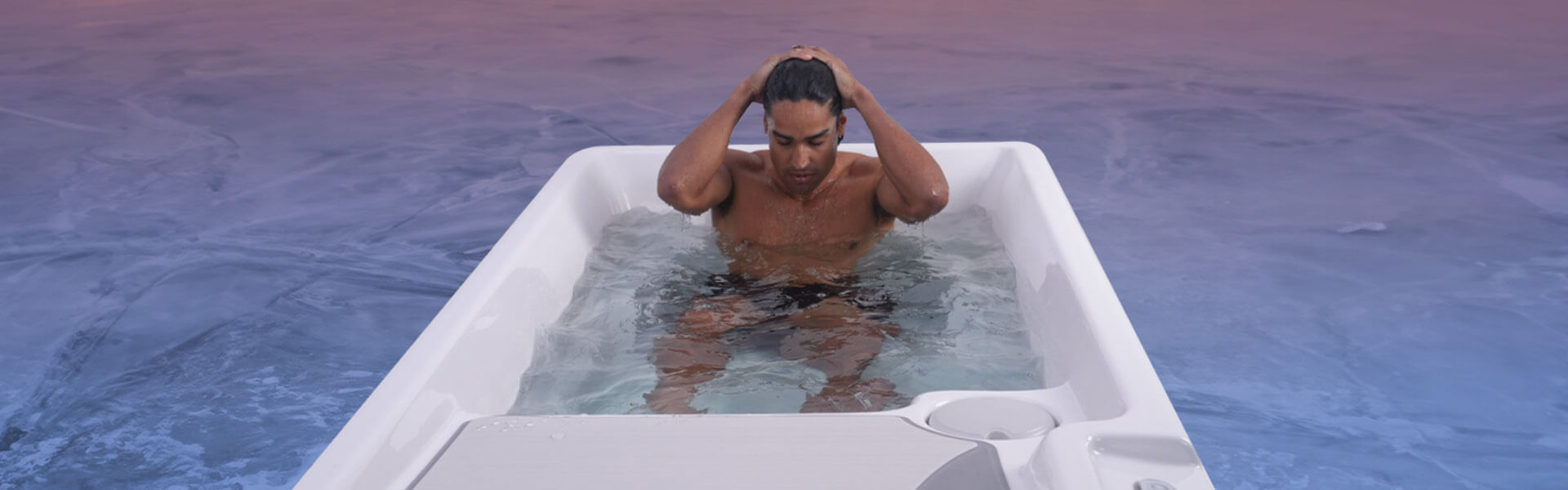
How to Cold Plunge: A Beginner's Guide to Building a Cold Therapy Routine.
Transform Your Wellness with a Cold Plunge Routine.
How Cold Plunging Works: Wellness Benefits for Mind and Body.
If you’re in search of calm, health, or renewal, this practice invites you to be present, embrace the moment, and emerge transformed. According to insights from the Huberman Lab at Stanford University, cold exposure can lead to improvements in the mind and body. Sounds good, right? Let’s look at how regular cold exposure can elevate your wellness routine in just a few minutes a week:
Cold Therapy Can Soothe Aches and Aid in Muscle Recovery.
Cold plunges may help support muscle recovery by providing a cooling effect that can soothe tired muscles after physical activity. Whether you’re recovering from a challenging Pilates session or unwinding after a long day, this practice helps your body reset, so you can return to the lifestyle you love feeling refreshed and restored.
Clear Your Mind & Find Your Center.
A few moments in cold water can help quiet mental noise, ease stress, and enhance focus. Here’s how it happens: Based on a study published by The Journal of Neuropsychiatry and Clinical Neuroscience, cold plunging can naturally boost neurotransmitters like norepinephrine and dopamine, which are linked to enhanced mood, motivation, and mental sharpness. Many cold plungers emerge with a sense of calm and well-being that remains with them for hours after they leave the water.
Enjoy More Energy to Embrace Your Personal Journey.
Cold plunges can invigorate your body by enhancing its natural cooling processes, helping you feel more alert and recharged. Depending on your personal sensitivity to cold and overall health, it may leave you feeling refreshed, transformed, and ready to step into your day.
Build Resilience Inside and Out.
Cold immersion is like a “spa retreat” for your nervous system. A study published in the International Journal of Environmental Research and Public Health supports the hypotheses that by consistently exposing yourself to the cold in a controlled environment, you help your body and mind to adapt to stress more effectively. The study found that cold therapy could help with your overall stress response, allowing you to feel calmer and more in control in and out of the water. When done consistently, pushing past mental hurdles in cold water can help you navigate life’s challenges more gracefully and easily.
Getting Started: What You Need for a Cold Plunge.
Before you take the plunge, be sure to set yourself up for success. Here’s what you’ll need:
- A cold plunge tub – A dedicated cold plunge, like the Caldera Spas Emerge™ Cold Plunge, ensures optimal temperature control and ease of use.
- An electrical connection – If using a powered plunge tub, make sure you have a proper electrical setup.
- A robe or warm clothes – Your body will need to warm up after getting out of the water. Have a cozy robe, towel, or even a heated blanket ready.
- Music and aromatherapy to enhance your experience – Set the stage for a transformative experience with soothing music and calming scents.
Creating a Cold Plunge Ritual That Works for You.
Incorporating cold plunging into your wellness regimen can provide incredible benefits — but the key is consistency. Whether you’re an athlete looking to recover faster, someone seeking a mental reset, or just curious about the hype, starting small and building up gradually is the best and safest way to benefit from this refreshing wellness ritual.
Cold Plunge Q&A: What Beginners Need to Know.
What’s the best way to start cold plunging?
Start slowly to allow your mind and body to get used to the cold water. Begin with water temperatures between 50-60°F and limit your first few times to 1-2 minutes (or less). As your body adapts, you can gradually extend your duration and lower the water temperature.
How long should I stay in the water?
The most important thing to do when cold plunging is to listen to your body. Everyone has a different tolerance to the cold, so don’t compare yourself to any else. Give yourself time to get used to your new wellness practice. Here are recommended guidelines to follow when starting a cold plunge routine.
- Beginners: Start with 1-2 minutes at a comfortable temperature (about 60°F).
- Intermediate: Work your way up to 2-3 minutes as tolerance builds.
- Advanced: Many plungers aim for 3-5 minutes and may do a couple of sessions, warming up in between.
Whether you’re taking the plunge for the first time or the fiftieth, always pay attention to your body and don’t push yourself. If you experience shivering, numbness, dizziness, headaches or neck pain, exit the water and allow your body to slowly come back to its normal temperature.
How often should I plunge?
Beginners should start with 2-4 sessions per week, gradually building tolerance. To start, aim for a total of 11 minutes per week to provide optimal benefits while minimizing the risk of overexposure. Consistency is key. Regular practice will help your body adapt and allow you to maximize results.
What temperature should the water be?
When it comes to water temperature, start slow and work your way down over time. Colder isn’t always better — it’s important to find the balance between maximizing wellness benefits and finding a temperature your body will respond best to.
- Beginners: Start at 50-60ºF to allow your body to adapt.
- Intermediate: Progress to 45-50ºF, as you become more comfortable.
- Advanced: Some experienced plungers go as low as 40°F, but it’s important to lower temperatures gradually and stay within your tolerance.
How can I make cold plunging easier?
Mentally reframe the experience by thinking of the initial discomfort as an opportunity to build calmness and resilience. Use slow, rhythmic breathing techniques to help you manage the shock and acclimate yourself to the cold. Deep inhales through the nose followed by slow, controlled exhales can help regulate your response. If the cold feels overwhelming at first, start at the higher end of the temperature range, around 55-60°F, and gradually work your way lower.
Plan a pleasant recovery ritual, such as wrapping up in a thick towel or robe, doing a few gentle stretches, or enjoying a warm cup of tea.
How can I enjoy my cold plunge safely?
Listen to your body. Cold exposure should challenge your mental and physical fortitude, but it should never feel overwhelming. Gradual adaptation is the safest approach. It’s always wise to consult your doctor before taking on a new wellness activity.
- Watch for warning signs. If you feel lightheaded, experience numbness, or start uncontrollably shivering, exit immediately.
- Exit carefully. Cold water can affect coordination and muscle control. Move slowly and cautiously when stepping out.
- Consider plunging with a partner or having someone nearby while plunging. This person can provide moral support or assist if you need help.
- Warm up properly. Avoid sudden temperature changes immediately after plunging. Instead, dry off and change out of your wet swimsuit, put on a warm robe or comfortable clothing, and try some gentle movements like a short, meditative walk or yoga stretches to get your blood flowing.
Before starting any cold plunge routine, consult your doctor to ensure it is safe for you, especially if you have underlying health conditions, circulatory issues or sensitivity to cold exposure.
Transform Your Mind Body Wellness in Just Minutes a Day!
A cold plunge is more than a mental and physical reset — it’s an invitation to slow down, breathe deeply, and embrace the present moment. Whether you’re looking to reduce stress, enhance recovery, or cultivate resilience, making cold plunging part of your wellness routine can help you feel more vibrant, clear, and energized.
Krossber Brothers
Pool & Spa
5984 State Route 96,
Farmington, NY 14425
Hours
Mon-Fri: 10am – 6pm
Sat: 10am – 4pm
Sun: 11am – 3pm
Call Us
(585) 742-3207